Introduction
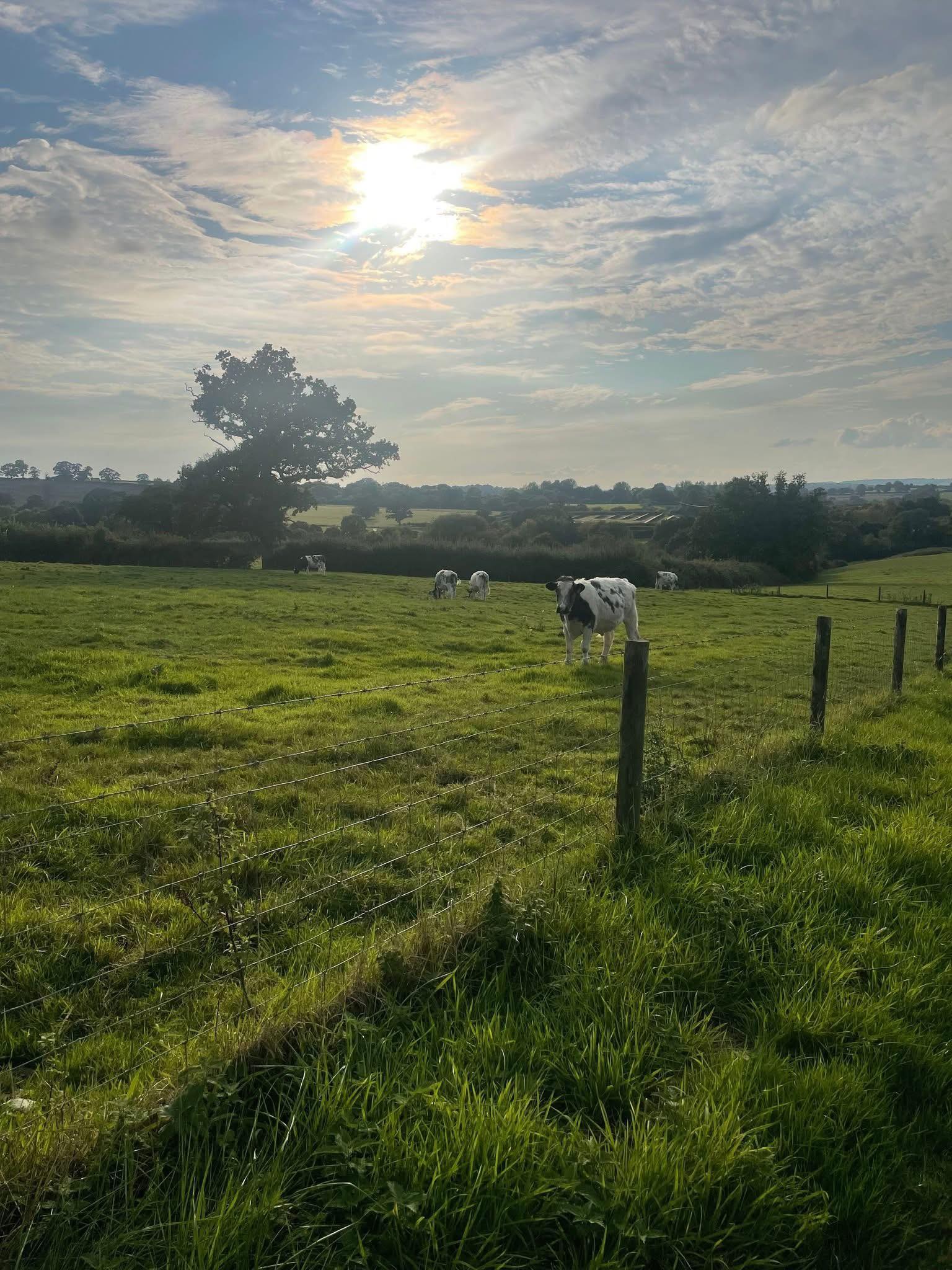
The countryside is far more than a picturesque landscape — it is the foundation of food production, biodiversity, and cultural heritage. Yet across many regions, industrial development threatens to reshape rural environments beyond recognition. Protecting these areas is not about resisting progress, but about ensuring that growth is sustainable, balanced, and respectful of the land and the people who depend on it.
The Value of the Countryside
Rural landscapes provide vital ecosystem services: clean air, fresh water, fertile soils, and habitats for countless species. They act as natural carbon sinks, mitigate flooding, and maintain the ecological balance that supports human life. Beyond their environmental importance, the countryside underpins rural economies through farming, tourism, and local enterprise.
Communities in these regions are deeply connected to the land. Farming families often manage the same fields for generations, maintaining hedgerows, field margins, and woodlands that nurture wildlife. Their work sustains both livelihoods and landscapes, forming the backbone of national food security.
The Threat of Industrial Development
Large-scale industrial developments — such as fuel plants, logistics hubs, data centres, and energy infrastructure — place immense pressure on rural areas. These projects typically require vast land take, heavy traffic access, and utilities that disrupt both the visual and ecological character of the countryside.
Such developments fragment habitats, pollute air and water, and drive up noise and light pollution. Once agricultural land is lost to industrial use, it is rarely recovered. The cumulative impact can be devastating: villages lose their rural identity, local businesses suffer, and valuable farmland is sacrificed for short-term economic gain.
Supporting Sustainable Farming and Local Economies
Protecting the countryside means supporting those who care for it. Farmers play a critical role in environmental stewardship — managing soil health, preserving watercourses, and maintaining biodiversity. With the right policies and incentives, farming can thrive alongside nature through regenerative and low-impact practices.
Encouraging local food production also strengthens rural economies. When communities buy from nearby farms and producers, they reduce transport emissions, keep money circulating locally, and build resilience against global market shocks. Investment in green technology and small-scale rural enterprise offers a positive alternative to large industrial intrusion.
Planning for Balance and Accountability
Robust planning frameworks are essential to safeguard rural land. Local authorities, environmental bodies, and community groups must have a genuine voice in assessing proposals that affect the countryside. Environmental Impact Assessments, public consultations, and transparent decision-making help ensure that developments meet strict sustainability standards.
Industrial projects should be directed to appropriate brownfield or urban sites, where infrastructure already exists. Protecting rural areas from unsuitable development preserves not just the landscape, but also public trust in responsible governance.
A Shared Responsibility
The countryside belongs to everyone — a shared inheritance of beauty, productivity, and ecological richness. Protecting it demands vigilance, collaboration, and a long-term vision that values sustainability over short-term profit. By defending rural land, supporting farmers, and respecting the environment, we secure a living landscape for future generations.
Comments are closed